


.jpg)
Effective Bamboo Removal Methods: How to Remove Bamboo Safely

Bamboo is a fast-growing plant that can quickly become invasive. It spreads through underground rhizomes, making it difficult to control once established. Removing bamboo safely requires a clear plan and the right techniques. I will guide you through effective bamboo removal methods that protect your property and prevent regrowth.
Understanding Bamboo Removal Methods
There are several ways to remove bamboo, but not all are equally effective or safe. Choosing the right method depends on the size of the bamboo patch, the type of bamboo, and your long-term goals. Here are the main bamboo removal methods:
Physical Removal: Digging out bamboo roots and rhizomes manually or with machinery.
Chemical Treatment: Using herbicides to kill bamboo shoots and roots.
Cutting and Mowing: Repeatedly cutting bamboo to weaken and eventually kill it.
Smothering: Blocking sunlight and air to bamboo shoots using tarps or mulch.
Each method has pros and cons. Physical removal is labour-intensive but thorough. Chemical treatment is faster but requires careful handling. Cutting and mowing take time but avoid chemicals. Smothering is eco-friendly but slow.

How to Remove Bamboo Safely: Step-by-Step Guide
Safety is crucial when removing bamboo. Bamboo rhizomes can spread underground beyond visible shoots. Here is a step-by-step approach to remove bamboo safely:
Identify the Bamboo Type
Determine if you have running bamboo (spreads aggressively) or clumping bamboo (grows in tight clusters). Running bamboo requires more aggressive removal.
Cut Down Bamboo Stalks
Use a saw or loppers to cut bamboo stalks close to the ground. Remove all cut stalks to prevent regrowth.
Dig Out Rhizomes
Use a spade or mattock to dig around the bamboo patch. Remove all rhizomes and roots. This step is critical to prevent bamboo from returning.
Dispose of Bamboo Properly
Do not compost bamboo. Instead, bag it and dispose of it according to local green waste regulations.
Apply Herbicide (Optional)
For stubborn bamboo, apply a systemic herbicide to cut stalks or freshly cut rhizomes. Follow product instructions carefully.
Monitor and Repeat
Bamboo removal is rarely a one-time job. Check the area regularly and remove new shoots promptly.
By following these steps, you can remove bamboo safely and reduce the risk of regrowth.
What is the Best Root Killer for Bamboo?
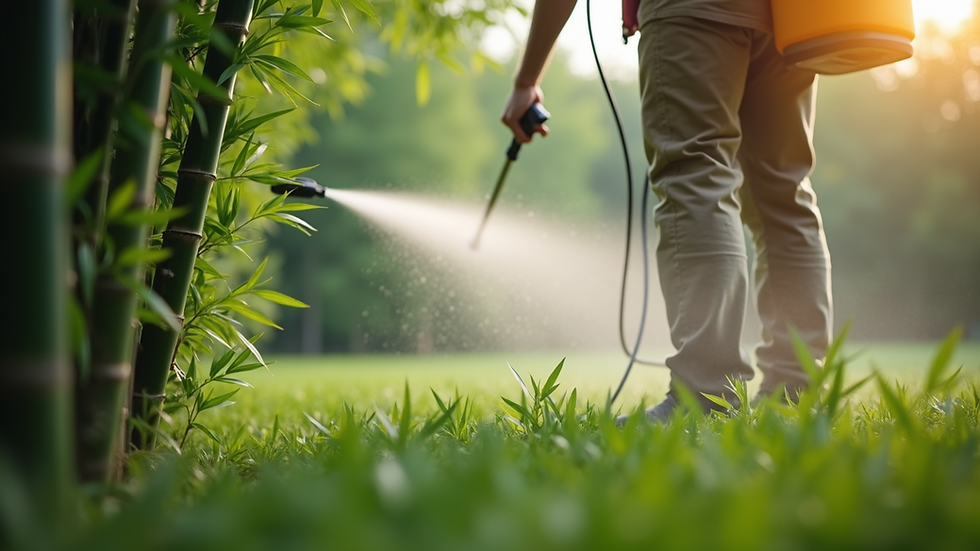
Choosing the right root killer is essential for effective bamboo removal. Bamboo roots are tough and resilient, so not all herbicides work well. The best root killers for bamboo are systemic herbicides that travel through the plant to kill roots and rhizomes.
Glyphosate-based herbicides are commonly used. They are effective when applied to freshly cut bamboo stalks or leaves.
Imidazolinone herbicides can also work but may require professional application.
Always apply herbicides on a dry, calm day to avoid drift.
Follow safety guidelines and wear protective clothing.
Using the best root killer helps ensure that bamboo does not regrow after physical removal. Combining herbicide treatment with digging out rhizomes gives the best results.
Preventing Bamboo Regrowth After Removal
Removing bamboo is only half the battle. Preventing regrowth is equally important. Here are practical tips to stop bamboo from returning:
Install a Rhizome Barrier
Use a high-density polyethylene barrier buried at least 60 cm deep around bamboo patches to block rhizome spread.
Regularly Inspect the Area
Check for new shoots monthly, especially in spring and summer. Remove shoots immediately.
Maintain Healthy Ground Cover
Plant dense ground cover or grass to compete with bamboo shoots.
Avoid Composting Bamboo
Bamboo can sprout from composted material. Dispose of it properly.
Repeat Herbicide Applications
If new shoots appear, treat them with herbicide promptly.
Consistent monitoring and maintenance are key to long-term bamboo control.
When to Call Professionals for Bamboo Removal
Sometimes bamboo removal is too large or complex to handle alone. Professional services offer expertise, equipment, and guarantees. Consider calling experts if:
The bamboo patch covers a large area.
Bamboo is growing near structures or underground utilities.
You want a guaranteed, long-term solution.
You prefer to avoid using herbicides yourself.
Professionals can combine physical removal, herbicide treatment, and rhizome barriers for complete bamboo removal. They also provide peace of mind with warranties.
For homeowners facing invasive bamboo, expert help can save time and prevent costly damage.
Removing bamboo safely requires patience, the right methods, and ongoing care. Whether you choose to tackle it yourself or hire professionals, understanding effective bamboo removal methods is essential. By following these guidelines, you can protect your property and enjoy a bamboo-free garden.
For more detailed advice and professional bamboo removal services, visit The Bamboo Man.


Comments